
Vegan Diet and Diabetes: What You Should Know

23 January 2024

Vegan Diet and Diabetes: What Should You Know?
A vegan diet is a way of eating that excludes animal products, this means not eating anything that contains ingredients from animals. Instead, vegan diets are composed exclusively of plant foods.
There’s strong scientific evidence that many chronic diseases (heart disease, certain cancers, and more) can be prevented and controlled with a healthy vegan diet. This includes type 2 diabetes.
Often, people also have more energy, reduced inflammation, and they feel better overall after removing animal products from their diet.
If you’re interested in following a vegan diet and you have diabetes, it’s essential to understand how to meal plan, shop, and self-monitor to be successful.
This article provides a guide to the vegan diabetic diet including its pros and cons, top tips on how to succeed on the diet, along with a 3-day vegan diabetic meal plan.
Disclaimer
This article uses the term “diabetic” when referring to a person living with diabetes. Please note that this term is only used to help people find this article, but that my philosophy is that they are people living with diabetes and are not “diabetics”.
Because type 2 diabetes has a connection to diet and exercise, there is a great deal of stigma and feelings of shame that can accompany diagnosis.
My hope is that shifting how we talk and think about diabetes will improve health outcomes for people with diabetes and reduce the prejudice surrounding the condition.
You are not alone in your feelings and I am here to support you.

How to approach the vegan diet and diabetes
Although veganism can be a very nutritious way of eating, it requires some planning to make sure you’re meeting all your nutritional needs.
In general, people with diabetes should aim to keep their carbohydrate intake consistent throughout the day, or at least have a good grasp of the carbohydrates they’re eating, as carbohydrates affect blood sugar levels more than protein and fat.
The best way to follow a vegan diet and manage diabetes is to have a balance of plant-based protein, carbs, and healthy fat in each meal and snack. This will ensure best possible blood sugar management.
All of this can be done using only plant foods. It may be a bit challenging if you’re new to the vegan diet. Rest assured, though – you’re in the right place!
As a registered vegan dietitian, I can help you discover how going vegan is an amazing decision for your health and diabetes management, and that it’s a lot simpler than you might expect.
Veganism and diabetes staples
Here are some examples of carbs, proteins, and fats that you can use to build meals and snacks if you’re following a vegan diet for diabetes:
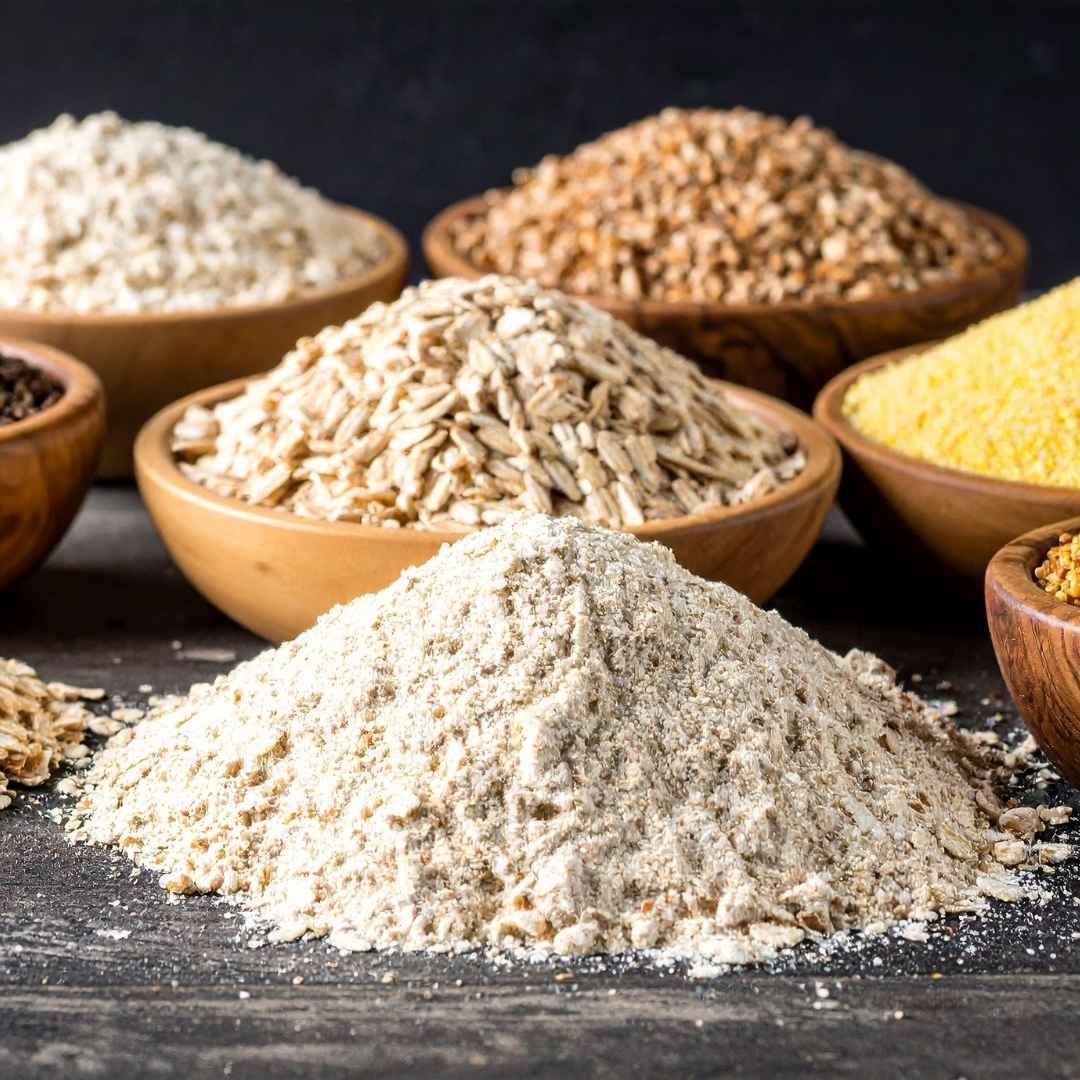
Carbohydrates: Whole-grain bread, whole-wheat pasta, oats, oat flour, brown rice, quinoa, whole-grain tortilla wraps, whole/frozen fruits
Protein: canned beans/lentils/chickpeas, tofu, soy milk, frozen edamame, hummus
Fats: extra-virgin olive oil, peanut butter, nuts and seeds, avocado
A lot of plant-based foods are actually what I like to call diabetes “superfoods”. For example, beans and legumes contain an amazing mixture of carbs and protein which are great for blood sugar control. Whole grains also have a balance of carbs and protein.
Both whole grains and beans also have tons of fiber which makes them more filling and may also help reduce their blood sugar impact. Power to whole grains and beans!
A note on type 1 diabetes and veganism
This article will mainly focus on modifiable lifestyle factors and address those living with type 2 diabetes. However, veganism and plant-based diets are great for type 1 diabetes!
Based on the type of diabetes you have, your physical activity level, age, sex, medical history, and usual diet, your registered dietitian nutritionist can help you determine the best dietary pattern for you.

Potential benefits of veganism and diabetes
Vegan diets have shown positive results on diabetes in numerous studies.
Overall, dietary factors most associated with strongly decreased risk of diabetes complications are plant-based foods such as veggies, fruits, whole grains, and fiber.
Improved blood sugar control
Choosing the right foods helps the body maintain good blood glucose control. This is especially important when the body’s regulatory system (insulin metabolism) is challenged, as in diabetes.
Chronically high blood sugar accelerates the development of life-threatening complications. Foods with a lower glycemic impact can help people with diabetes control blood sugars and manage their risks.
There have been some reports of the vegan diet causing high blood sugar. However, these results have been found in vegans consuming high glycemic index (GI) and refined carbohydrates.
Relative to non-vegetarian diets, vegan diets have a low overall GI. Some of the best lower GI vegan foods include fiber-rich whole grains, legumes, beans, nuts, and vegetables.
Less insulin resistance on the vegan diet
Insulin resistance is a key characteristic in type 2 diabetes development.
Researchers theorize that animal proteins may contribute more strongly to the development of insulin resistance than plant proteins.
From preliminary results, it appears that a well-balanced vegan diet is a way to support lower insulin resistance.
Weight management
As body fat increases, insulin resistance tends to increase.
A vegan diet can help you lose weight. Plant foods are naturally less calorie-dense and higher in fiber. These can lead to feeling fullness without overeating.
Check out this article for beginner tips on how to lose weight on a vegan diet.

Potential downsides of veganism and diabetes
There are some potential risks to the vegan diet for people with diabetes. However, these downsides are avoidable with careful planning and support from a registered dietitian
Nutrient deficiencies
Like with any dietary pattern, it’s important to eat a variety of foods to ensure you are meeting all your nutritional needs.
A well-planned vegan diet that includes nutrient-rich whole foods and fortified foods can help provide adequate nutrient levels.
Nonetheless, you might find it tricky to get enough vitamin B12, vitamin D, iron, omega-3, and iodine on a vegan diet.
For information on how to obtain these nutrients through vegan foods and/or supplements, check out my in-depth article.
Low protein intake
You have probably heard the myth that you can’t get enough protein on a vegan diet. This is simply not true!
However, keep in mind that protein plays an extra important role in controlling blood sugar in diabetes. Ensure you include a source of vegan protein at every meal and snack.
Here are some of my favourite vegan protein sources:
- Tofu: 20 grams per 1 cup
- Tempeh: 15 grams per ½ cup
- Legumes: 14 grams per 1 cup
- Soy milk: 9 grams per 1 cup
- Quinoa: 8 grams per 1 cup
- Nut butters: 8 grams per 2 tbsp
- Steel cut oats: 8 grams per ¾ cup
- Whole grain bread: 7 grams per 2 slices
- Nuts: 7 grams per ¼ cup
- Hemp seeds: 7 grams per 2 tbsp

My top tips for the vegan diabetic diet
Here are my top beginner veganism and diabetes tips:
Plan ahead
I often see people initially struggling to maintain a healthy vegan diabetic diet because they lack recipe ideas, don’t have the energy to cook, or don’t know what to buy at the grocery store. Take a few minutes each week and plan your meals for the week.
Eat plenty of greens and veggies
Nonstarchy vegetables are low in carbohydrates and full of fiber. Hello, fullness and stable blood sugar!
Balance each meal and snack
Include plant-based protein, carbs, and healthy fat in each meal and snack
Get all your nutrients
Take a vitamin B12 and vitamin D supplement. Talk to a registered dietitian to see if you need additional iron, omega-3, iodine, etc.
Monitor your blood sugars frequently
Be aware of your patterns and trends
Sample 2-day vegan diabetic meal plan
This healthy vegan diabetic meal plan features diabetes-friendly foods, including low-glycemic-index carbohydrates such as oats and pulses, and healthy fats like avocado.
Depending on your goals and lifestyle, your calories and carbohydrates may need to be different. Adjust the number of snacks or portion sizes according to your preferences:
Day one:
- Breakfast: Peanut butter banana toast
- Lunch: Ultimate crispy veggie sandwich
- Dinner: Easy vegan Moroccan soup
- Snack(s): 4 easy vegan snack ideas
Day two:
- Breakfast: Tofu breakfast sandwich
- Lunch: Easy Mexican quinoa
- Dinner: Sunshine coconut bowls
- Snack(s): Peanut butter & oat energy balls
Conclusion
To maximize the potential benefits of a vegan diet in the treatment and prevention of type 2 diabetes, the diet must be based on whole plant foods, such as veggies, fruits, legumes, nuts, seeds, and whole grains.
It’s also important that the diet be designed with care to ensure adequate intakes of all nutrients, especially vitamins B12 and D, and essential fatty acids like omega-3.
For one-on-one veganism and diabetes counseling, book a free consultation call with me today!

Alyssa Fontaine
You may like these too
Vegan Gluten-Free: How to Eat Plant-Based Without Gluten
Have you ever stood there frozen at a restaurant, grocery store or potluck, frantically scanning the

28 July 2026

Is Online Vegan Nutrition Advice Trustworthy? How to Separate Evidence from Opinion
Why Online Vegan Nutrition Advice Can be So Confusing The saying “don’t believe everything you r
13 May 2026

One Pot Vegan Meals: Simple, Nutritious, and Flavorful
Why Choose One-Pot Vegan Meals? As a vegan nutritionist, one-pot meals are some of my go-to recommen
6 May 2026

Vegetarian Dietitian in Canada: What Clients Absolutely Need to Know
In 2025, nearly 2.3 million Canadians identified as vegetarian and 850,000 as vegan. These numbers s
21 April 2026